Lithium vs Lead Acid: Residential Battery Storage Comparison
Lithium batteries dominate residential storage due to higher efficiency and longer cycle life, while lead acid offers a lower entry cost. The right choice depends on your solar setup, budget, and how often you will cycle the system.
- Lithium systems handle more deep cycles before capacity fades.
- Lead acid batteries require careful depth of discharge to protect lifespan.
- Lithium packs are denser and allow smaller physical installations.
- Total cost of ownership often favors lithium over several years.
- Battery management systems are more complex for lithium but easier for lead acid.
How residential battery storage chemistries differ
Residential battery storage systems use either lithium or lead acid chemistry to store energy. Lithium options include lithium iron phosphate and lithium nickel manganese cobalt variants. Lead acid options include flooded, AGM, and gel designs. The choice affects performance, installation space, maintenance, and long-term cost.
Most modern residential installations favor lithium for solar and grid backup. Lead acid remains relevant in older systems, budget projects, or locations with strict heat and maintenance constraints. Understanding the technical differences helps buyers select the right system.
Lithium vs lead acid: key differences
| Option | Best for | Limitations |
|---|---|---|
| Lithium iron phosphate | Long cycle life and safe high discharge | Higher upfront cost and thermal management needs |
| Lithium nickel manganese cobalt | High energy density for compact spaces | Higher cost and stricter temperature sensitivity |
| Lead acid AGM | Low upfront cost and simple maintenance | Lower cycle life and larger physical footprint |
| Lead acid flooded | Off-grid or specialized applications | High maintenance and hazardous electrolyte handling |
| Lead acid gel | Vibration resistant or fixed installations | Lower efficiency and complex charging profiles |
Lithium batteries store more usable energy from their total capacity. A lithium pack can typically be discharged to a deeper level without significant damage. Lead acid batteries suffer from permanent capacity loss if discharged below a certain threshold. Most lead acid systems limit discharge to fifty percent to maintain life.
Efficiency also matters. Lithium systems round trip with higher efficiency. More energy stored today comes back when needed. Lead acid systems lose more energy during charge and discharge cycles. This lower efficiency can increase the size of the inverter and solar array required to meet the same daily load.
When to choose lithium for home battery
Lithium is the standard for most modern residential installations. It suits systems where the battery will charge and discharge frequently. A home with solar panels and grid backup will cycle the battery daily. Lithium handles this well.
Space is another factor. Lithium packs are dense. A smaller cabinet can store the same energy as a larger lead acid bank. In a garage, utility room, or balcony, this density is significant. Some lithium systems use liquid cooling. Lead acid flooded batteries require ventilation for hydrogen gas. AGM and gel designs are sealed but still need careful thermal management.
Thermal protection is built into lithium systems. Battery management systems monitor cell temperature, voltage, and current. If conditions exceed limits, the system reduces power or shuts down. Lead acid systems are more forgiving in terms of thermal spikes but degrade faster if kept too hot or too cold.
When to choose lead acid for home battery
Lead acid is a practical option when upfront budget is the main constraint. The initial cost is lower. The trade off is replacement frequency. A lead acid bank may need replacement after a few years of heavy cycling. Lithium systems often last longer under similar conditions.
Lead acid is also suitable for simple off grid or small backup applications where the battery will not cycle deeply or often. If the home uses the battery only during short outages, the lower cycle life may not be a problem. The maintenance level depends on the design. Flooded batteries need water top ups and periodic plate inspection. AGM and gel designs are sealed and require less attention.
Charging profiles differ. Lead acid batteries need a multi stage charge to fully recover. If the charger is not tuned correctly, the plates can sulfation, which permanently reduces capacity. Lithium batteries charge faster and follow simpler profiles, though they still require a proper battery management system.
Total cost of ownership comparison
Upfront cost is only one part of the picture. The total cost includes the battery, inverter, installation, and future replacements. A lead acid system may cost less to install. Over five or more years, the need for replacement can shift the financial balance.
Lithium systems also reduce other costs. Higher efficiency means the solar array can be smaller or the grid connection can be less taxed. In homes with high electricity rates, the round trip efficiency of lithium can improve the economics of peak shifting.
Maintenance adds to cost. Flooded lead acid batteries require regular checks. AGM and gel designs are low maintenance but still need monitoring. Lithium systems require less hands on maintenance, but the battery management system must be kept updated and connected to monitoring software.
Installation and system integration
Lithium and lead acid both integrate with hybrid inverters. The inverter communicates with the battery management system to control charge and discharge. Lithium systems use digital communication. Lead acid systems can use analog signals or digital communication depending on the model.
Physical installation differs. Lead acid banks are heavy. A single unit can weigh significantly more than a lithium pack of similar capacity. Floor load and mounting hardware matter. Lithium packs are lighter and easier to mount on walls. This makes them suitable for garages, sheds, or small utility rooms.
Wiring and protection also vary. Lithium systems require precise voltage and current management. Lead acid systems have more tolerant wiring but still need proper fusing and breakers. Both require a licensed installer to handle electrical connections. The installer should verify that the inverter supports the specific battery chemistry and communication protocol.
Safety and environmental considerations
Lithium batteries can release thermal energy if damaged or shorted. Modern systems have thermal management, fire barriers, and safety cuts. Lead acid batteries release hydrogen gas during charging. Flooded designs require ventilation. Gel and AGM designs reduce gas generation but still need space for heat.
Waste disposal differs. Lithium batteries contain lithium, cobalt, and other materials. Lead acid batteries contain lead and sulfuric acid. Both require proper recycling. Local regulations dictate how old batteries must be handled. Installers should provide disposal instructions or partner with certified recyclers.
How to select the right system for your home
Selecting residential battery storage starts with the home load and solar production. A home with high evening usage and good solar generation benefits from a larger lithium pack. A home with modest loads and low solar may do well with a smaller lead acid bank.
Check the inverter first. Not all inverters support all chemistries. Some are designed for lithium only. Others can handle lead acid with specific settings. The inverter determines the communication protocol and charge profile. If the inverter is fixed, the battery choice is limited.
Review the battery management system. It controls cell balancing, temperature limits, and communication. A good system provides monitoring for voltage, current, state of charge, and fault codes. For lead acid, it must handle the multi stage charge correctly. For lithium, it must manage thermal protection and cell balancing.
Consider the local climate. Heat reduces battery life for both chemistries. Cold reduces available capacity and charging speed. Lithium systems often have heating elements to maintain performance in winter. Lead acid flooded batteries can freeze if discharged in cold conditions.
Common mistakes to avoid
Buying a battery without checking inverter compatibility is a frequent error. The system may not communicate correctly, leading to poor performance or safety trips. Another mistake is ignoring the depth of discharge limit. Running a lead acid battery too deep every day will shorten its life.
Underestimating space and weight is another issue. A lead acid bank can be large and heavy. If the installation location is small or on a floor with load limits, the bank may not fit. Lithium packs are lighter but still require clearance for cooling and maintenance access.
Neglecting maintenance plans is a risk. Even low maintenance batteries need periodic checks. The battery management system should log faults and performance trends. Reviewing these logs helps catch degradation early.
Frequently asked questions
How long does a lithium battery last in a home?
Lithium batteries in residential storage typically last longer than lead acid under daily cycling. The exact life depends on usage, temperature, and system quality.
Can I upgrade from lead acid to lithium later?
Yes, but the inverter and battery management system must support the new chemistry. The physical space and wiring may also need changes.
Is lead acid still a good option for solar homes?
Lead acid works for solar homes with modest daily cycling and a lower upfront budget. It requires more careful discharge limits to maintain life.
What is the biggest difference in efficiency?
Lithium systems round trip with higher efficiency. More stored energy is available when needed. Lead acid loses more energy during charge and discharge.
Do I need a professional to install residential battery storage?
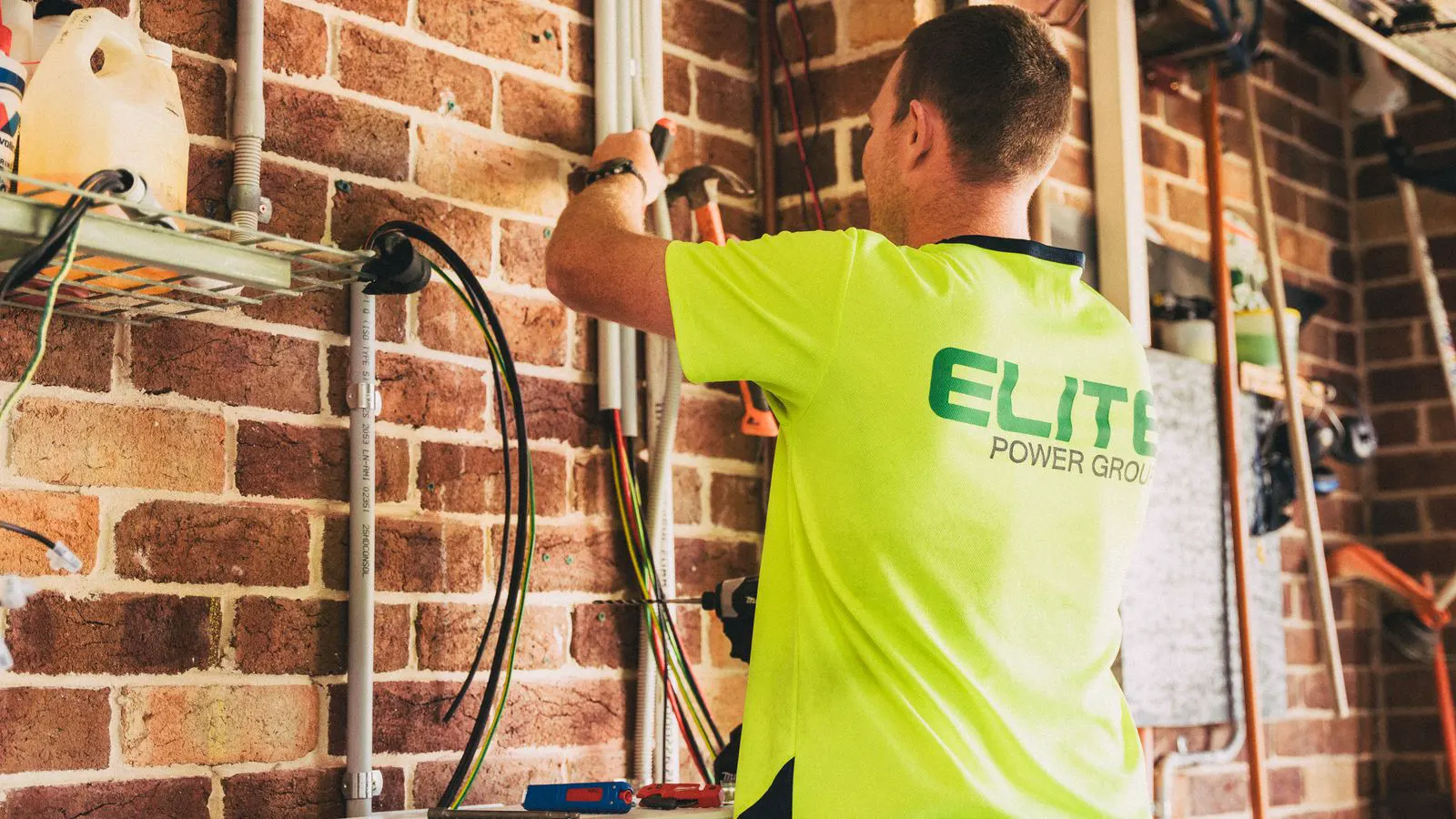
Yes. Electrical connections, inverter setup, and battery integration require a licensed installer to meet safety codes and ensure proper operation.